Doll
Virtually every hand movement involves the wrist, whether in daily life, at work, or while playing sports. But because it has such a delicate structure of bones, ligaments, and tendons, it’s an area that’s highly vulnerable to injuries, discomfort, or wear-and-tear issues—all of which can significantly impact your quality of life if left untreated.
Hand Surgeon
Carpal Tunnel Syndrome
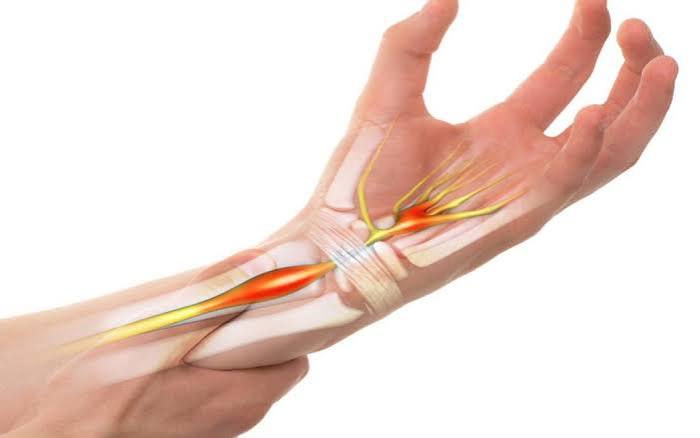
Do you feel an annoying tingling, numbness, or a “pins and needles” sensation in your thumb, index finger, middle finger, and part of your ring finger? Do you wake up in the middle of the night feeling like your hand has fallen asleep and you need to “shake it out” to get the feeling back? These are the classic symptoms of carpal tunnel syndrome.
There is a narrow passageway in the wrist (the carpal tunnel) through which tendons and the median nerve pass. When the area becomes inflamed or the space narrows—due to repetitive movements, constant use of a keyboard, cell phone, or tools, hormonal changes, or metabolic conditions—the nerve becomes compressed, causing numbness, a burning sensation, and a progressive loss of strength when gripping objects.

How can this be resolved?
You don't have to get used to losing sensation in your hands. Depending on the degree of compression, we can offer you different options:
Conservative Treatment: In mild or moderate cases, the use of night splints to keep the wrist in a neutral position, anti-inflammatory medications, physical therapy, and ergonomic adjustments can relieve pressure on the nerve and halt the progression of the condition.
Carpal Tunnel Release Surgery: If symptoms are severe or persistent, or if there is already a loss of strength, we perform outpatient surgery with a quick recovery time. In this procedure, the ligament pressing on the nerve is released, restoring proper blood flow and oxygenation to eliminate pain and restore sensation.
Hand Surgeon
De Quervain's Tenosynovitis
De Quervain's tenosynovitis, also known as De Quervain's tendinitis, is a painful condition that affects the tendons of the wrist and thumb. It primarily involves two tendons—the long abductor of the thumb and the short extensor of the thumb—which are responsible for moving the thumb away from the palm and extending it.
Symptoms generally arise from repetitive movements of the hand and wrist. Overuse leads to irritation, inflammation, and thickening of the protective synovial sheaths surrounding the tendons, causing significant pain and making basic tasks such as grasping objects or clenching a fist extremely uncomfortable.
How is it treated?
Restoring pain-free movement in the wrist is entirely possible with a timely diagnosis:
Conservative Treatment (Without Surgery): In the early stages, we use custom-made splints to partially immobilize the thumb and wrist, allowing the tendons to rest. This is accompanied by anti-inflammatory medications and, in some cases, guided local injections to reduce swelling in the area quickly and effectively.
Minimally Invasive Surgical Relief: If the pain persists or significantly limits your daily activities, we perform a very simple and quick outpatient procedure. It involves slightly opening the compartment through which the tendons pass to give them more space, allowing them to glide completely freely and eliminating the pain at its source.
Where does it hurt?
Treatments and Solutions with Dr. Jorge Luis Díaz Gutiérrez: