Hand
Our hand is a highly complex structure in which bones, tendons, ligaments, and nerves work together to give us strength, precision, and dexterity in every movement—whether we’re gripping something firmly or performing very delicate tasks. The problem is that, because we use it so much and it’s so delicate, it’s quite vulnerable to injuries, nerve problems, arthritis, and discomfort caused by wear and tear or overuse.
Hand Surgeon
Carpal Tunnel Syndrome
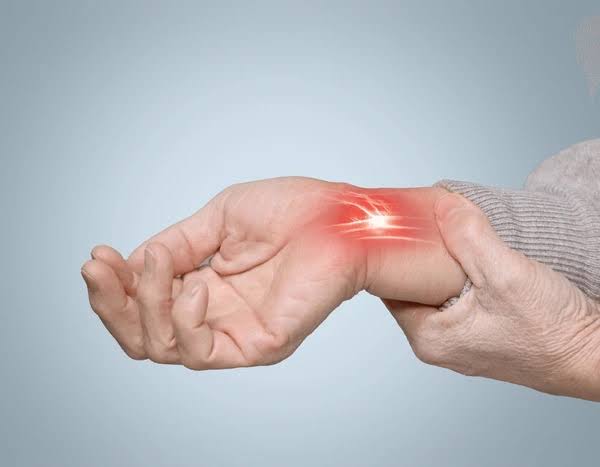
Do you feel an annoying tingling, numbness, or a “pins and needles” sensation in your thumb, index finger, middle finger, and part of your ring finger? Do you wake up in the middle of the night feeling like your hand has fallen asleep and you need to “shake it out” to get the feeling back? These are the classic symptoms of carpal tunnel syndrome.
There is a narrow passageway in the wrist (the carpal tunnel) through which tendons and the median nerve pass. When the area becomes inflamed or the space narrows—due to repetitive movements, constant use of a keyboard, cell phone, or tools, hormonal changes, or metabolic conditions—the nerve becomes compressed, causing numbness, a burning sensation, and a progressive loss of strength when gripping objects.
How can this be resolved?
You don't have to get used to losing sensation in your hands. Depending on the degree of compression, we can offer you different options:
Conservative Treatment: In mild or moderate cases, the use of night splints to keep the wrist in a neutral position, anti-inflammatory medications, physical therapy, and ergonomic adjustments can relieve pressure on the nerve and halt the progression of the condition.
Carpal Tunnel Release Surgery: If symptoms are severe or persistent, or if there is already a loss of strength, we perform outpatient surgery with a quick recovery time. In this procedure, the ligament pressing on the nerve is released, restoring proper blood flow and oxygenation to eliminate pain and restore sensation.
Hand Surgeon
Hand Fractures
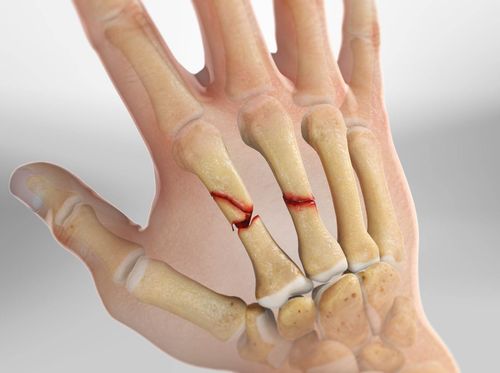
The bones of the hand are delicate and numerous. A fall in which you land on your hand, a direct blow (such as an impact during sports or an accident), a door slamming shut, or a strong squeeze can cause a fracture or crack in any of the bones of the fingers or the palm.
The most obvious symptoms of a fracture are severe pain at the moment of impact, rapid swelling, the appearance of “bruises” (hematomas), difficulty or inability to move the hand, and sometimes an obvious deformity or the sensation that a finger “bump” or crosses over in an unusual way when bent.
How is it treated?
Unlike other inflammatory conditions, structural injuries or tendon tears to
The main goal of specialized care is to ensure that the bone heals in its correct anatomical position to prevent future complications such as stiffness or loss of strength:
Orthopedic Treatment (Without Surgery): If the fracture is “aligned” and the fragments have not shifted, we can immobilize the area using a splint or specialized cast for as long as necessary to allow the bone to heal naturally.
Surgical Reduction and Fixation: If the bones are misaligned, there are multiple fragments, or the fracture affects the joint surfaces, we perform precision surgery. We use small implants (such as plates, screws, or special wires) to securely fix the fragments in place, allowing for early and safe mobilization.
require a precise approach:
Early Surgical Repair: Since this involves a torn or severed tendon, the best way to restore movement is to repair it through specialized reconstructive surgery. The sooner treatment is provided, the better and more natural the functional outcomes will be.
Guided Rehabilitation: After surgery, a personalized physical therapy program is essential to ensure that the tendon heals strong, regains its elasticity, and prevents joint stiffness.
Where does it hurt?
Treatments and Solutions with Dr. Jorge Luis Díaz Gutiérrez: