Injuries to the Hand, Fingers, and Wrist
Your hands never rest, and when they falter, it shows.
Whether it's from a blow, a wrong move, or everyday use, discomfort in your hand, fingers, or wrist can completely slow you down. Don't get used to living with pain: we'll help you regain your mobility so you can return to your activities without discomfort.
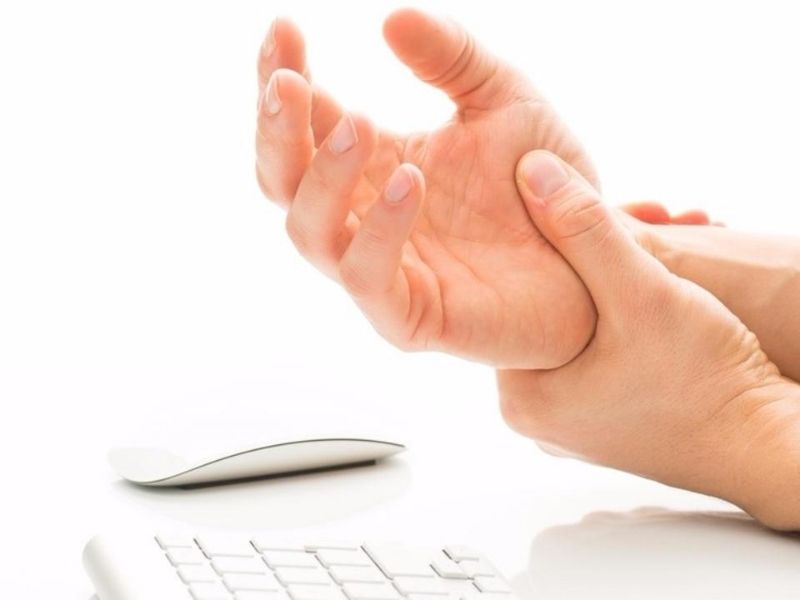
Injuries to the Hand, Fingers, and Wrist
Hand injuries aren't always fractures
Tendons, ligaments, nerves, and muscles can also be injured after a fall, cut, blow, or sudden movement. Some injuries seem minor at first, but they can make it difficult to move or cause persistent discomfort if they are not treated properly.
Tendon Injuries
Tendons allow the fingers to bend and straighten. When they are injured, you may have difficulty closing your hand, straightening a finger, or grasping objects.How are they treated? Minor injuries can be treated with protection and immobilization. When a tendon is completely torn or loses its function, surgical repair and a specialized rehabilitation program may be necessary.
Ligament Injuries
Ligaments keep joints stable. A sudden twist, a fall, or a blow can stretch or tear them, causing pain, swelling, and instability.
How are they treated? Depending on the severity, treatment may include a splint, joint protection, and supervised exercises. Severe injuries or those that cause instability may require surgery.
Deep cuts and wounds
A cut on the hand can affect not only the skin but also the tendons, nerves, or blood vessels. That’s why a small wound on the surface doesn’t always mean the damage is superficial.
How are they treated? The specialist checks for sensation, movement, and circulation. If deep structures are damaged, surgery may be necessary to repair them.
Sports Injuries and Bruises
Sports, falls, and accidents can cause sprains, dislocations, fractures, and soft-tissue injuries.How are they treated? First, the damaged structure is identified. Then, the appropriate treatment is prescribed, which may include immobilization, reduction of a dislocated joint, surgery, or rehabilitation.
If you experience persistent pain, loss of movement, weakness, tingling, or difficulty using your hand after an injury, it is recommended that you seek a specialized evaluation.
What should you do if you injure your hand?
Taking action early can help prevent complications
If you've had a fall, a blow, or an accident that affects your hand, wrist, or fingers, it's important to protect the area and avoid movements that could make the injury worse.
While you are receiving medical care:
Avoid straining your hand. Don't keep trying to see if you can move it.
Remove rings and bracelets if you can do so easily before the swelling gets worse.
Apply cold wrapped in a cloth for short periods of time, without placing ice directly on the skin.
Do not try to realign a bone or joint on your own.
Seek medical evaluation to determine whether you need X-rays, immobilization, or other treatment.
If you have a deep wound, heavy bleeding, significant deformity, loss of sensation, or cold, pale, or bluish fingers, go to the emergency room. Don't wait for the symptoms to go away on their own.