Hand and Wrist Fractures
A fracture occurs when one of the bones in the hand, fingers, or wrist breaks. It can happen when you fall and break your fall with your hand, receive a direct blow, are in an accident, or play a sport.
Not all fractures are the same: some are minor and stable, while others can cause the bone to shift or affect the joints. That's why, even if you can move your fingers, it's important to have the injury checked out.
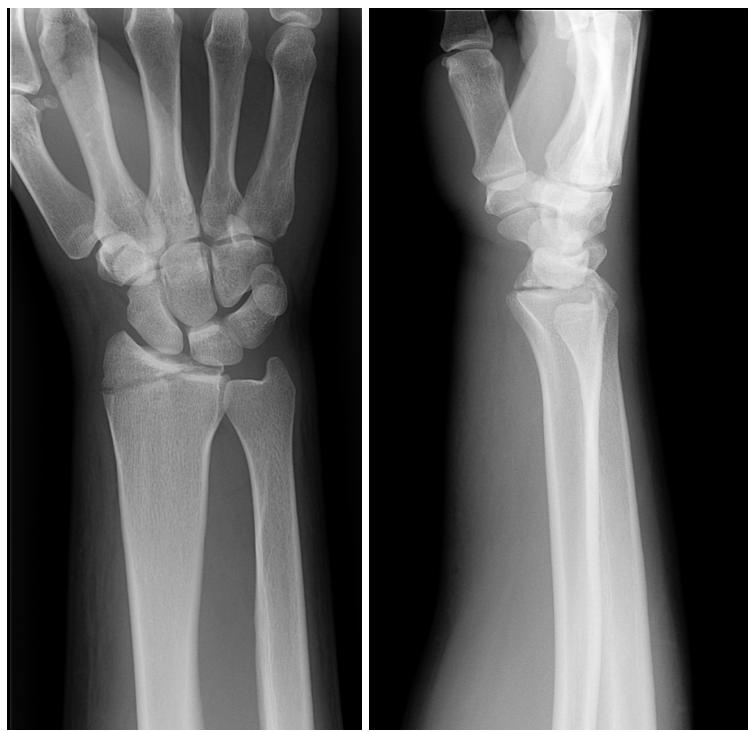
What are the most common signs?
Pain after a fall or blow
Swelling and Bruising
Difficulty moving the fingers or wrist
Deformity or change in the position of a finger
Pain when holding objects or resting the hand
How are fractures treated?
Treatment depends on the affected bone, the location of the fracture, and its stability. After an evaluation and, when necessary, X-rays, the specialist may recommend immobilization with a splint or cast.
If the bone is displaced, the fracture is unstable, or it involves a joint, surgery may be necessary to realign and stabilize the fragments using plates, screws, or pins.
The goal is for the bone to heal properly and for the hand to regain as much mobility and function as possible.
Important: If, after an injury, you experience severe pain, deformity, numbness, or if your fingers look pale or feel cold, seek urgent medical attention.