Elbow
The elbow is a vital joint that combines strength and flexibility, allowing us to lift, push, pull, and coordinate arm movements. By connecting the upper arm to the forearm, it is constantly involved in any daily or athletic activity. However, conditions such as tendinitis, nerve compression, instability, or injuries can significantly limit mobility and affect quality of life if not treated properly.
Hand Surgeon
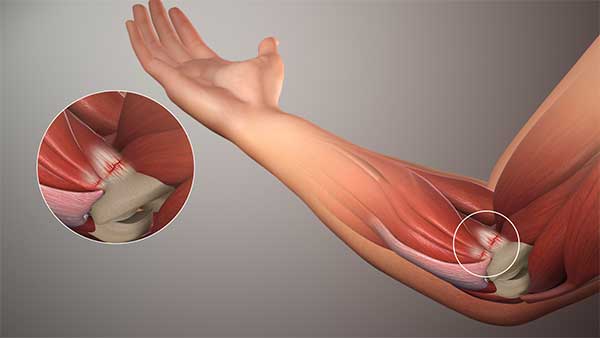
Golfer's Elbow
Do you feel constant pain or tenderness on the inside of your elbow, which sometimes radiates down to your forearm or wrist when you try to make a fist, lift something with your palms facing up, shake hands, or even wring out a rag? Although it’s known as golfer’s elbow (or epitrachealitis), it doesn’t only affect golfers.
This condition is a form of tendinitis that affects the muscles responsible for bending the wrist and fingers toward the palm. It is caused by overuse or repetitive movements of the wrist and arm—and is very common in people who work extensively with tools or computers, carry heavy objects, or play racquet sports and lift weights.
How can this be resolved?
The goal is to reduce inflammation, allow the tendon to heal properly, and regain strength in your grip:
Conservative Treatment: In the early stages, relative rest, the use of elbow braces or compression sleeves, specialized physical therapy, and anti-inflammatory medications help relieve pain and improve circulation in the area.
Regenerative Therapies and Surgery: If the tendon damage is chronic or does not respond to conventional treatments, there are advanced, minimally invasive options available to remove the damaged tissue, stimulate healing, and restore stability to your elbow.
Hand Surgeon
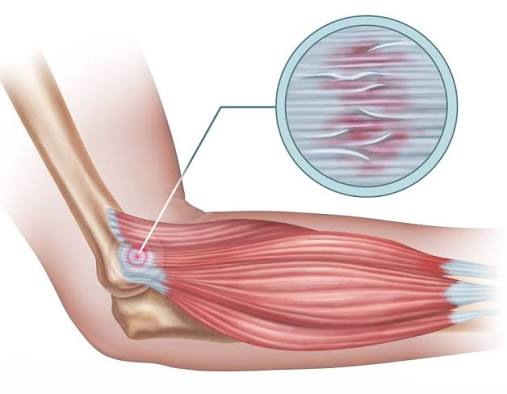
Tennis Elbow
Do you feel a sharp, stabbing pain or a burning sensation on the outside of your elbow that radiates down your forearm every time you try to lift a cup of coffee, open a door, shake hands, or type on a computer? This condition is very common and is known as tennis elbow (or lateral epicondylitis).
Despite its name, it is not exclusive to athletes: it primarily affects people whose daily or work activities involve repetitive movements of the wrist and arms, constant use of tools, or prolonged use of a mouse and keyboard. It occurs due to overuse, which causes small micro-injuries in the tendons responsible for extending the wrist and fingers.
How is it treated?
Timely treatment prevents pain from becoming chronic and limiting your activities:
Conservative Treatment (Without Surgery): In the vast majority of cases, the condition is effectively treated with relative rest, the use of elbow braces or specialized support bands, targeted physical therapy, anti-inflammatory medications, and, occasionally, local therapies to stimulate tendon regeneration.
Advanced and Minimally Invasive Solutions: If your condition is persistent or has not improved for a long time, we evaluate specialized alternatives—ranging from regenerative procedures to small, minimally invasive interventions—designed to relieve tension, heal the affected tissue, and restore full function to your arm.
Hand Surgeon
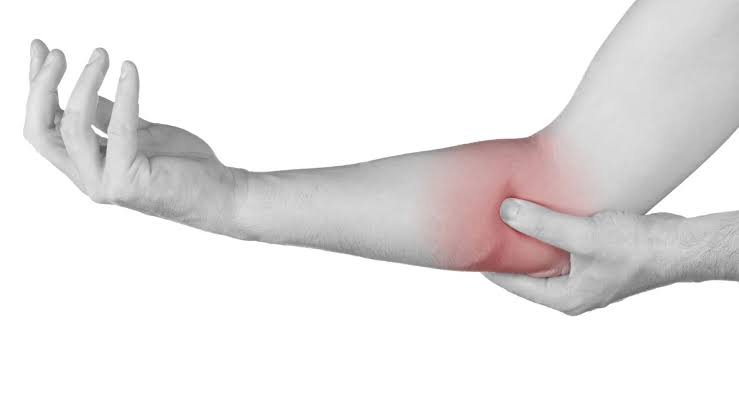
Ulnar Tunnel Syndrome
Do you feel numbness or a “pins-and-needles” sensation running down your arm and specifically affecting your little finger and ring finger? Do you notice that you lack strength when trying to open a jar, or that you drop things easily? These symptoms are characteristic of ulnar tunnel syndrome.
This problem occurs when the ulnar nerve (commonly known as the “elbow nerve” or the one that causes that famous jolt when you hit the inside of your elbow) becomes compressed or irritated as it passes through a narrow canal in the joint. This usually happens from keeping the elbow bent for a long time (while sleeping, using a cell phone, or working), from constantly resting the elbow on hard surfaces, or due to the anatomy of the area itself.
How is it treated?
Protecting the nerve in a timely manner is key to preventing permanent loss of strength or sensation in the hand:
Conservative Treatment: In the early stages, we correct postural habits, avoid resting the elbow on hard surfaces, use night splints to prevent the arm from remaining too bent while sleeping, and provide support through physical therapy and anti-inflammatory medications.
Surgical Release of the Ulnar Nerve: If the compression is severe, causes constant pain, or leads to loss of strength and muscle mass in the hand, a specialized outpatient procedure is performed. It involves relieving the pressure on the nerve (and, in some cases, gently repositioning it) so that blood flow and function are restored, and you regain full sensation and strength.
Where does it hurt?
Treatments and Solutions with Dr. Jorge Luis Díaz Gutiérrez: